June 25, 2026

Mental Health & Moving Abroad: How to Smoothly Transition to a New Country

blog post banner

Moving abroad can be one of the most exciting decisions of your life. A new job, a new city, a new culture, new people, and the chance to build a completely different daily routine can feel energising and full of possibility.


But let’s be honest: moving abroad can also be emotionally demanding. Even when the move is positive, your mind still has to process a lot at once. You may need to adjust to a new language, a new workplace, unfamiliar public services, different social habits, distance from family and friends, and the pressure of starting over. For many people, this can lead to stress, loneliness, anxiety, homesickness, or a temporary loss of confidence.


That does not mean you made the wrong decision. It means you are human. Taking care of your mental health when moving abroad is just as important as preparing your CV, booking your flight, or finding accommodation. The smoother your emotional transition is, the easier it becomes to settle into your new country, perform well at work, meet people, and actually enjoy the experience.


Below, we break down how moving abroad can affect your mental health and what you can do before and after relocation to feel more grounded, prepared, and supported.
 

Why Moving Abroad Can Affect Your Mental Health


Relocating to another country is not just a physical move. It is a psychological transition. You are leaving behind routines, familiar places, social circles, habits, and sometimes even your sense of identity. In your home country, you usually know how things work. You know where to shop, how to visit a doctor, how people communicate, how transport works, and who to call when something goes wrong.


These thoughts are normal. The problem starts when you ignore them completely or expect yourself to feel happy and confident every single day. A successful move abroad does not mean you never feel stressed. It means you learn how to support yourself through the stressful moments.




Work Abroad

In a new country, even simple tasks can suddenly feel complicated. You may ask yourself:
 

  • How do I open a bank account?
  • Where can I find housing?
  • Will I understand my colleagues?
  • What if I feel lonely?
  • What if I do not adapt?
  • What if the job is harder than expected?
  • What if I miss home too much?
     

These thoughts are normal. 

The problem starts when you ignore them completely or expect yourself to feel happy and confident every single day.

A successful move abroad does not mean you never feel stressed. It means you learn how to support yourself through the stressful moments.
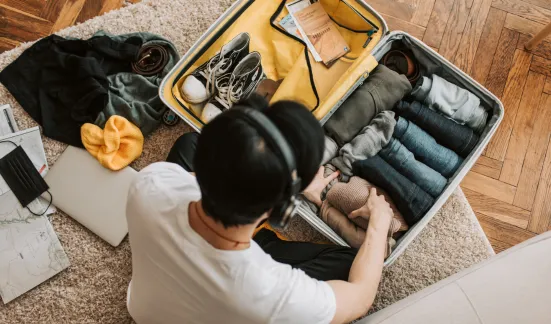
Understanding Culture Shock

One of the most common emotional experiences after moving abroad is culture shock. It is the feeling of disorientation that can happen when you live in a culture different from your own. It can affect your mood, energy levels, confidence, sleep, appetite, and motivation. Most people experience culture shock in stages.
 

The Honeymoon Phase


At first, everything feels new and exciting. You may enjoy exploring your new city, trying local food, hearing a different language, meeting new people, and starting your new job. This phase can feel like a fresh start. You are motivated, curious, and proud of yourself for making the move.

The Frustration Phase


After some time, the excitement may fade. Daily life becomes more real. You may struggle with paperwork, housing, transport, language barriers, bureaucracy, or different workplace habits.

Small problems can start to feel bigger than they are. You might feel irritated, tired, isolated, or homesick. You may compare everything to your home country and wonder whether you made the right decision. This phase can be uncomfortable, but it is also very common.

The Adjustment Phase


Gradually, things begin to feel easier. You understand how the city works. You develop a routine. You find your favourite supermarket, café, gym, walking route, or weekend activity. You start recognising faces at work. You know who to ask for help. The country no longer feels completely unfamiliar

The Integration Phase


Eventually, your new location starts to feel like part of your life. It may not replace your home country, but it becomes another place where you can function, grow, and belong. You may still miss home sometimes, but you also begin to appreciate the new version of yourself that is developing abroad.

How to Prepare Mentally Before Moving Abroad


The best time to protect your mental health is before the move happens. Many people prepare only the practical side of relocation: flights, documents, accommodation, job contracts, and luggage. These are important, of course. But emotional preparation matters too.

Research the Country Beyond the Tourist Version


Before moving, learn about real daily life in your destination. Do not only look at beaches, nightlife, food, or beautiful city photos. Research practical realities such as:
•  Cost of living
•  Housing options
•  Public transport
•  Healthcare access
•  Banking

• Weather and daylight hours
•  Workplace culture
•  Local communication style
•  Social habits
•  Safety
•  Bureaucracy
•  Expat and international communities


The more realistic your expectations are, the less shocked you will feel when daily life begins. If you are still comparing destinations, you can also explore the best cities for expats with strong job markets before making your decision.  

Preparing

Create a Basic Routine Before You Arrive


A new country brings uncertainty. Routine gives your mind stability. Before you move, think about the habits you want to keep abroad. These do not need to be complicated. In fact, simple habits work best.

For example:
•  Morning coffee before work
•  A short walk after your shift
•  Weekly video calls with family or friends
•  Exercise two or three times per week
•  Meal planning
•  Journaling
•  Reading before sleep
•  A Sunday reset routine


When everything else feels new, familiar habits can help you feel safe and in control.

Plan Your Support System


Do not wait until you feel lonely to think about support. Before moving, make a list of people and resources you can reach out to when things feel difficult. Moving abroad does not mean you have to become completely independent overnight. You are allowed to need people.


Check Mental Health Support Options


If you already experience anxiety, depression, panic attacks, burnout, or other mental health challenges, relocation requires extra planning.

Before you move, check whether:
•  Your current therapist offers online sessions
•  Your health insurance covers mental health care abroad
•  There are English-speaking therapists in your destination
•  Your medication is available in the new country
•  You need prescriptions or medical documents
•  There are emergency mental health services nearby


This is not overthinking. It is responsible preparation. If mental health support is important to your wellbeing, treat it as essential, not optional.

How to Take Care of Your Mental Health After Moving Abroad

Once you arrive, your first weeks may feel busy and emotional. You may be excited one day and overwhelmed the next. That is normal. Here are practical ways to support yourself during the transition.


1. Give Yourself Time to Adjust

Do not expect to feel settled immediately. Many people put pressure on themselves to adapt quickly. They think they should already have friends, confidence, a perfect routine, and a clear sense of belonging after just a few weeks. That is unrealistic.

Building a life in a new country takes time. You are learning how to live again in a different environment. Be patient with yourself.

2. Build a Daily Routine

Routine is one of the strongest tools for emotional stability abroad. Try to create structure around sleep, meals, work hours, and exercise. You do not need a perfect schedule. You just need enough predictability to stop every day from feeling chaotic.

3. Stay Connected to People Back Home

Staying connected to home does not mean you are failing to adapt. Regular communication with loved ones can reduce loneliness and give you emotional continuity. Schedule calls instead of leaving them to chance. A planned video call every Sunday can be more comforting than random messages throughout the week.

At the same time, try not to spend all your emotional energy living through your old life back home. Balance is key. Stay connected, but also stay open to your new environment.

4. Make Local Connections

Loneliness is one of the biggest mental health challenges when moving abroad. The difficult truth is that friendships rarely happen automatically. You need to make yourself visible.

Try:
•  Joining language exchanges
•  Attending international meetups
•  Saying yes to after-work plans
•  Joining fitness classes
•  Taking a local course
•  Volunteering
•  Exploring hobby groups
•  Connecting with other newcomers
•  Attending community events

You do not need to find your best friends immediately. Start by building light social contact. Even a short conversation with a colleague, neighbour, or classmate can make your new country feel less anonymous.

5. Take Care of Your Body

Mental health is strongly connected to physical well-being. When people move abroad, basic habits often collapse. Sleep becomes irregular, meals become random, exercise disappears, and stress increases.

Try to protect the basics, such as getting sunlight, spending time outside, sleeping enough, eating proper meals and drinking enough water. This may sound simple, but it matters. Your brain handles stress better when your body is not running on exhaustion.

6. Learn the Local Language, Even Slowly

You do not need to become fluent overnight. But learning basic local phrases can reduce stress and help you feel more independent. Even a small amount of language knowledge can make daily life feel less intimidating. It also shows respect for the local culture and can help you connect with people more easily.

7. Manage Anxiety in the Moment

There may be moments when anxiety hits suddenly. Maybe you feel lost, overwhelmed, misunderstood, or completely alone. In those moments, grounding techniques can help.\


One simple method is the 3-3-3 technique:
 

•  Name three things you can see
•  Name three things you can hear
•  Touch or identify three things around you


This brings your attention back to the present moment and reminds your nervous system that you are here, now, and safe.

You can also try slow breathing, calling someone you trust, or writing down what you are feeling. The goal is not to force anxiety to disappear instantly. The goal is to lower the intensity enough so you can think clearly again.

8. Avoid Comparing Your Journey to Others

When you move abroad, you may meet people who seem to have everything figured out. They have friends, routines, confidence, and perfect social media photos. Do not compare your internal experience to someone else’s external presentation.

You do not know how long it took them to adjust. You do not know what they struggled with privately. You do not know what support they had. Your journey is allowed to be different. Some people adapt in weeks. Others need months. Neither is wrong.

9. Recognise When You Need Professional Help

Some emotional discomfort is normal after moving abroad. But you should not ignore serious or long-lasting symptoms. Consider reaching out to a mental health professional if you experience:

•  Persistent sadness
•  Panic attacks
•  Constant anxiety
•  Difficulty sleeping for a long period
•  Loss of appetite
•  Feeling hopeless
•  Loss of interest in everything
•  Strong isolation
•  Thoughts of self-harm
•  Difficulty functioning at work
•  Heavy alcohol or substance use to cope


Getting help is not a weakness. If you are in immediate danger or thinking about harming yourself, contact local emergency services or a crisis helpline in your country right away.

Why Multilingual Jobs Can Make Moving Abroad Easier

For multilingual professionals, working abroad can be a great way to transition into a new country with more confidence.

Many multilingual jobs are designed for international candidates. Because companies hiring multilingual talent are used to international employees, the environment may feel more welcoming for newcomers.

You may also meet colleagues who have gone through the same experience. That can make a big difference. Being surrounded by people who understand relocation, language barriers, and culture shock can help you feel less alone.

If you are preparing for the hiring process, it is also worth reading how to answer the most common job interview questions, especially if this is your first time applying for a role in another country. 
 

Practical Checklist for a Mentally Healthier Move Abroad

Before moving:


•  Research the country realistically
•  Understand the cost of living
•  Prepare your documents
•  Check healthcare and insurance options
•  Look for English-speaking or local-language therapists
•  Plan your first month of expenses
•  Arrange temporary or permanent housing
•  Schedule calls with loved ones
•  Save emergency contacts
•  Learn basic local phrases
•  Build a simple arrival routine

For more practical preparation, you can also read these relocation tips.

relocation

After arriving:


•  Register for necessary services
•  Explore your neighbourhood
•  Build a work-life routine
•  Sleep and eat properly
•  Join at least one social activity
•  Stay connected with home
•  Ask for help when needed
•  Avoid isolating yourself
•  Give yourself time to adapt
•  Celebrate small wins

Final Thoughts


Moving abroad can challenge your mental health, but it can also help you grow in ways you never expected. You may become more independent, flexible, confident, and open-minded. You may discover new career opportunities, new friendships, and a new sense of direction. But none of that requires you to pretend the process is always easy. A smooth transition starts with preparation, realistic expectations, emotional support, and the right job environment.
If you are thinking about starting a new life abroad, take care of your mind as seriously as you take care of your paperwork. Your mental wellbeing is not a side detail. It is the foundation that helps everything else work.